

Itchy Scalp Months After Hair Transplant: Causes and Care

An itchy scalp months after a hair transplant isn’t automatically a sign that something has gone wrong. Itching usually settles within 14 days, but some people experience it for several months as the scalp heals, and brief episodes with small bumps can happen during months 2 to 4 as new hairs push through the skin.
It’s understandable to wonder whether itching is part of recovery or a sign of irritation. Itching alone doesn’t confirm new hair growth. Redness, persistent swelling, pain or tenderness can indicate inflammation that needs medical attention. Avoid rubbing the area, as scratching can break the skin and create an entry point for bacteria.
This article explains why itching may persist, which symptoms need prompt review and how to care for an uncomfortable scalp without adding irritation. It also explains when a prescription steroid scalp solution may be considered for ongoing itching and inflammation, and why it should be used only as prescribed.
Table of Contents
Is it normal for my scalp to itch after my hair transplant?
Itching can occur during healing, but it usually settles within the first two weeks. An itchy scalp months after a hair transplant, particularly with red bumps, needs a closer look rather than being assumed to be normal.
Typical itching timeline
Post-transplant itching is a temporary scalp sensation that often accompanies scab formation and skin recovery. It typically begins 3 to 5 days after surgery, peaks around days 5 to 10, then eases as the skin heals. Most itching resolves by days 12 to 14, although mild episodes can last longer. The recovery timeline can vary with the procedure and aftercare described in hair transplant information.
Prevalence of post-transplant itching
Itching is a recognised recovery symptom, although the reported frequency varies with when it is measured. A prospective cohort study reported itching in 4.61% of hair-transplant patients 7 days after surgery. That figure describes one point in recovery, not the likelihood of itching months later. It also cannot predict how long an individual recipient will feel itching. The timing, intensity and other symptoms all help distinguish ordinary healing from a scalp condition that needs assessment.
Persistent itching and red bumps
Persistent itching means discomfort that continues beyond the usual early healing period or returns later. Dryness, irritation from topical products and inflammation can contribute. Brief itching with small bumps may occur during months 2 to 4 as new hairs emerge, but red bumps at eight months fall outside that described window. Folliculitis, which involves inflammation around hair follicles, is one possible cause; redness or bumps do not confirm it. In South Africa, treatment costs depend on the cause, assessment and care required; the price depends on the case and is given after a quote request.
Tingling after hair transplantation
Tingling can accompany itching as the scalp recovers, and it may come and go rather than remain constant. Around 2 to 3 months after transplantation, itching and tingling are described as common during the changing growth phase. These sensations alone don’t prove that new hair is growing. Pay attention to whether they settle or appear alongside redness, bumps, swelling, pain or tenderness. Persistent or worsening symptoms, particularly eight months after surgery, deserve medical review.
Possible folliculitis or other scalp inflammation
Persistent itching can have several causes, including folliculitis, irritation or another inflammatory response. Symptoms around the itchy area can help distinguish routine discomfort from a problem that needs medical attention.
Folliculitis and possible infection
Folliculitis is inflammation around hair follicles, which can appear as bumps in the affected scalp. It is reported in about 1% of hair-transplant patients. This figure gives context, but it cannot identify the cause of an individual’s symptoms.
Scratching can break the skin and let bacteria enter, potentially leading to folliculitis. Take new or worsening symptoms seriously rather than treating persistent itching as harmless. Folliculitis generally occurs during the first couple of months after transplantation and is not common after many months.
Inflammation can also follow irritation from a post-transplant cleanser or topical remedy. Note whether itching began after using a product, and whether redness or tenderness has developed. This pattern can help a clinician assess possible irritation, but does not by itself confirm infection.
Symptoms needing urgent attention
Severe itching accompanied by skin irritation, persistent swelling, pain or tenderness after a transplant needs prompt medical advice. Redness or bumps alongside worsening discomfort also warrant review, particularly if they are spreading or not settling.
Seek prompt medical attention if itching comes with pronounced irritation, persistent swelling, pain or tenderness. These symptoms may indicate inflammation or infection, but an assessment is needed to establish the cause. Avoid scratching while arranging care, as broken skin can let bacteria enter.
Severe itching with visible skin irritation
Persistent swelling, pain or tenderness
Redness or bumps with worsening discomfort
Uneven follicle growth can affect the scalp’s appearance, but visual irregularity alone does not indicate infection. Distinguish the appearance of hair growth from physical symptoms such as redness, swelling or pain. If these symptoms accompany itching, medical review can help identify the cause and appropriate care.
Some people experience itching around two months after a hair transplant, possibly in connection with new follicle growth. However, an itchy scalp does not necessarily mean hair is growing.
Risks of scratching, including graft disruption and infection
Scratching can irritate healing skin, disturb grafts and create an entry point for bacteria. Handle the scalp gently while transplanted follicles are healing and becoming established.
Scratching and graft safety
Scratching or rubbing can abrade the scalp and may dislodge healing follicles. Grafts generally become securely attached about 7-10 days after surgery, but that does not mean vigorous scratching is safe once this period passes. For the first 14 days, avoid touching your hair with anything other than the flats of your hands. Follow the specific aftercare instructions from the clinic that performed your procedure.
Avoid using fingernails on the scalp for 3 weeks to one month after transplantation. Nails can catch healing skin and cause bleeding or irritation. If an itch is difficult to tolerate, a cool, damp cloth applied for 10-15 minutes can provide temporary relief. Don’t rub the cloth back and forth across the recipient area.
Infection risks from scratching
Scratching can break the skin barrier, allowing bacteria into the scalp and potentially causing folliculitis. Repeated rubbing is more than a comfort issue, especially if bumps or redness appear afterwards. Keep your hands away from the area, and avoid picking at scabs or bumps.
Follow the washing and aftercare plan provided for your procedure instead of adding products or remedies that could irritate the skin. If a cleanser or topical remedy seems to worsen itching, stop rubbing it into the scalp and seek advice from your clinic. New redness, swelling, pain or tenderness alongside itching also needs medical review.
Use the flats of your hands rather than fingernails during the first 14 days.
Keep the scalp free from scratching and rubbing while grafts are healing.
Use a cool, damp cloth for 10-15 minutes when temporary relief is needed.
Even once grafts are growing, occasional itching is no reason to scratch. If discomfort persists or returns months after the procedure, protect the skin and focus on identifying the cause rather than trying to remove flakes or bumps yourself.
What are the signs and symptoms of itching after hair transplant?
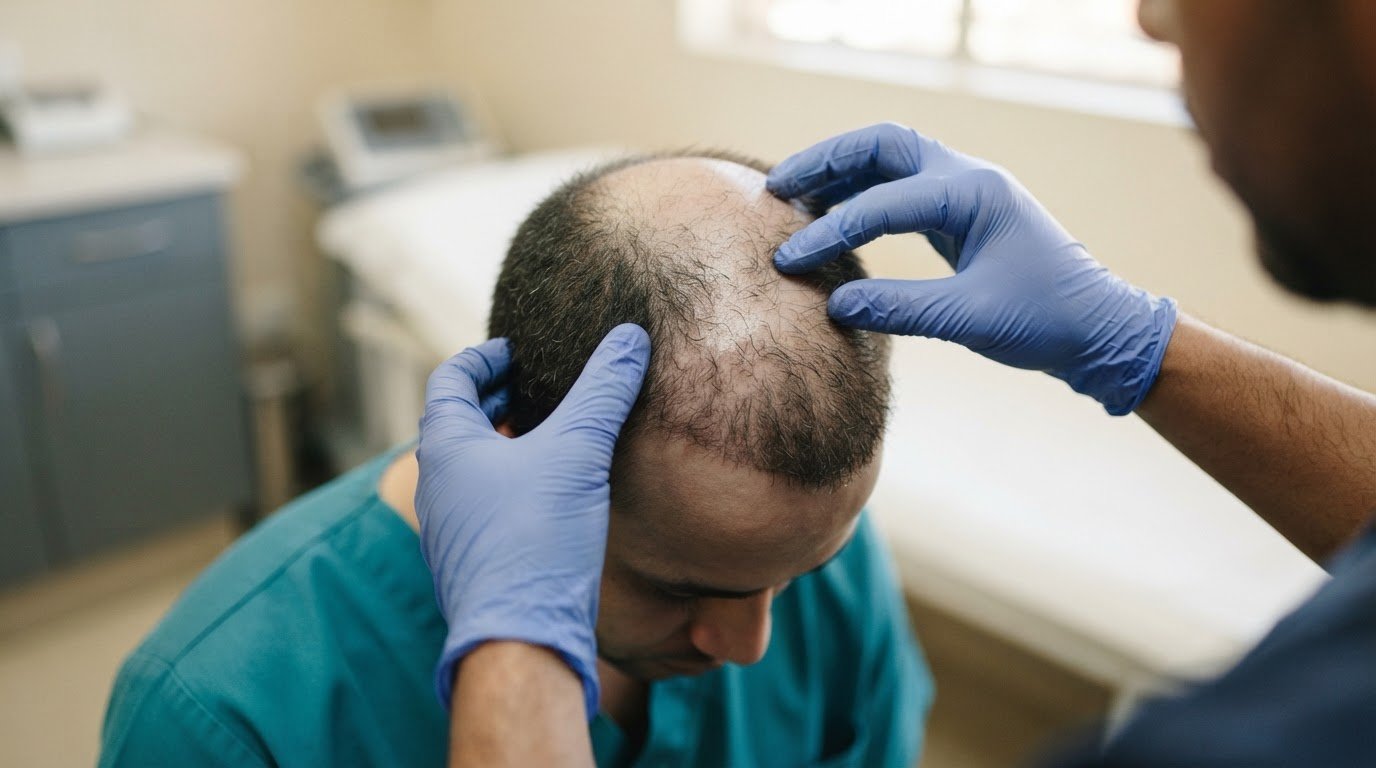
After a hair transplant, itching may occur alongside tightness, tingling or mild redness as the scalp heals. Post-transplant cleansers and topical remedies can also irritate the skin. Itching alone does not identify the cause, so note whether it comes with bumps, swelling, pain or tenderness.
Contact your hair transplant surgeon if itching lasts beyond the usual recovery period, worsens or returns with redness or bumps. Seek prompt medical advice for severe itching with skin irritation, persistent swelling, pain or tenderness. These symptoms need assessment rather than repeated attempts to soothe the scalp yourself.
Relief depends on what is causing the itch. Keeping to the shampoo and aftercare plan matters; for ongoing itching, shampooing twice a week for 2-4 weeks is one approach described in post-transplant care guidance. A cool, damp cloth applied for 10-15 minutes can offer temporary relief without rubbing the scalp.
Antihistamines may help when histamine contributes to itching, but they aren’t suitable for every person or every cause. Loratadine 10 mg once daily is an example of a non-sedating antihistamine used on a doctor’s orders. A clinician can weigh your symptoms, other medicines and health needs before recommending treatment.
For intense itching, a doctor may consider a low-potency topical corticosteroid, such as 1% hydrocortisone cream. Guidance describes limiting this option to five days. Don’t apply a steroid cream or other medicated product to the recipient area without instructions from your surgeon, as the right treatment depends on the scalp’s condition.
Use any prescribed post-transplant treatment exactly as directed. Don’t combine an antihistamine, corticosteroid and scalp product without medical guidance, as using several remedies can make irritation harder to assess. If a shampoo or topical remedy seems to trigger symptoms, note when you used it and tell your surgeon. This can help clarify possible causes and guide care.
Mild swelling and redness may occur in itchy areas of the scalp during healing after a hair transplant. These signs can accompany recovery, but consider them alongside the intensity of the itch and whether symptoms persist, worsen or return. If the pattern changes or discomfort becomes significant, contact your transplant surgeon for an assessment rather than assuming the symptoms are routine.
A non-drowsy, long-acting antihistamine or a short-acting antihistamine that may cause sleepiness at night may be options. These differ in how long they work and their potential to cause drowsiness, so ask a clinician which, if either, is appropriate for you, especially before combining one with other medicines or remedies. Note when the itching occurs and any accompanying scalp changes, then share this information at follow-up. It can help the clinician assess your symptoms and advise on next steps.
Prescription steroid scalp solution
A prescription steroid scalp solution is a topical corticosteroid medicine used for itching and remaining scalp inflammation after hair transplantation. A doctor may consider it when itching continues beyond 3-4 weeks after the transplant. The timing matters: persistent symptoms need assessment, because treatment should address the scalp’s condition rather than simply mask discomfort.
A doctor’s assessment should consider how long the itching has lasted, whether it is worsening and whether swelling, redness or tenderness is present. These details can help distinguish ongoing inflammation from irritation or another cause. A steroid solution is not a substitute for understanding the symptoms. Treatment should be chosen with the scalp and its healing progress in mind.
When prescribed for post-transplant itching and ongoing inflammation, the solution is applied for seven days. Follow the prescription directions, including where and how to apply it. Don’t extend the course or change how you apply the solution because itching continues. This seven-day course is a specific treatment instruction, not a general schedule for every scalp medicine.
Follow the instructions for other post-transplant care products, too. Don’t add an unprescribed steroid cream or solution, or combine treatments without medical direction. Using products differently from their prescribed instructions can make it harder to understand what is affecting your scalp. Report any new or worsening symptoms during treatment to the prescribing doctor.
A steroid scalp solution is a targeted option for inflammation-related itching, not a treatment for every cause of discomfort after hair restoration. Red bumps, persistent swelling, pain or tenderness remain important details for a doctor assessing the scalp. Note when the itching began, how it has changed and which products you have used. This timeline can help guide decisions about whether the prescribed treatment remains appropriate.
With itching months after surgery, the key is to distinguish a symptom that needs assessment from a cause that may respond to a particular medicine. A doctor may recommend a short prescribed course if ongoing inflammation is present. Use the solution only as directed, for the stated seven days, and don’t restart it for recurring symptoms without medical instructions.
DHI South Africa: Scalp Micropigmentation (SMP)
Scalp Micropigmentation (SMP) is a cosmetic option that changes the appearance of thinning hair or a visible scalp. Carefully placed pigment impressions create the look of closely cropped hair or the appearance of greater density among existing hair. SMP may support your preferred look, but it does not treat itching, folliculitis or another cause of scalp inflammation.
This distinction matters if you’re considering SMP because of changes after a transplant. Persistent itching, redness, bumps, swelling, pain or tenderness should first be assessed as scalp symptoms. SMP cannot replace identifying or treating inflammation. Understanding the cause of discomfort helps separate a medical concern from an appearance goal.
SMP may suit someone seeking the look of a closely shaved style or less noticeable contrast between hair and scalp. It may also be considered when thinning makes the scalp more visible. The result is a cosmetic impression, not new hair growth, and it does not change the underlying follicles. Your preferred look and the areas you want to address help determine whether it is relevant.
If you have active itching or visible scalp irritation, prioritise assessment of those symptoms before considering a cosmetic procedure. Inflammation can affect skin condition, so scalp health matters when deciding whether SMP is appropriate. An appearance treatment should not be used to conceal symptoms that still need medical attention.
For some people, SMP may form part of a broader hair-restoration plan; for others, it may not suit their goals. It differs from Direct Hair Implantation, which transplants hair, and from treatments intended to support hair restoration. The right option depends on whether your priority is visual coverage, hair growth or care for an ongoing scalp concern.
If you’re weighing SMP alongside persistent itching, keep those two concerns distinct: address the scalp symptoms, then consider cosmetic goals. A conversation can help clarify whether SMP fits the look you want and what questions to consider next. To discuss your options, contact DHI South Africa when you’re ready.
Frequently Asked Questions
How intense can I expect my post-transplant itching to be?
There is no single level of itching that applies to everyone. To describe your experience clearly, note whether the itch is occasional or persistent, whether it disrupts sleep and which areas are affected. A brief daily note can show whether it changes after washing or using a particular product. This gives your clinician a clearer picture than relying on memory.
Is scalp itching months after a hair transplant normal, and how long can it last?
Some people experience itching for several months, but there is no single duration that applies to everyone. Note whether the sensation is fading, unchanged or becoming more noticeable. Record when it returned and whether this coincided with a change in scalp products or hair care. This timeline can help a clinician decide whether the pattern fits recovery or needs further assessment.
Can folliculitis, infection, dermatitis, or nerve healing cause itching after hair transplantation?
These are possible causes, but the sensation alone cannot distinguish between them. The visible pattern and location of the itch can offer useful clues, such as whether it is limited to areas exposed to a new product or affects the recipient area more broadly. Don’t diagnose the cause from appearance alone. A clinical assessment can interpret these details alongside your recovery history.
How is persistent itching after a hair transplant diagnosed and treated?
Prepare a brief account of when the itching began, how it has changed and which products you have used. Photographs from different days may help show whether the scalp’s appearance is changing. Treatment is selected after considering these details and examining the scalp. Record any prescribed medicine and how you used it, so the clinician can assess its effect accurately.
Which shampoos, moisturisers, or medicines are safe for an itchy transplanted scalp?
No single shampoo or moisturiser suits every transplanted scalp. Keep the packaging or photograph the ingredient list of products you already use, especially if the itching began after you introduced something new. This can help identify possible irritants without changing several products at once. Use medicines only as prescribed, and don’t assume a product is suitable just because it is labelled for sensitive skin.
Can scratching damage transplanted hair follicles months after surgery?
Months after surgery, a scratch is not the same as disturbing a newly placed graft during early healing. The greater concern is repeated, forceful scratching that injures the skin or aggravates an existing problem. Don’t test the area by pulling hairs or repeatedly rubbing it to see whether follicles feel secure. If the scalp remains uncomfortable, focus on identifying the cause.
Are there South African dermatologists or hair transplant clinics that treat complications after hair transplantation?
DHI South Africa provides hair-restoration services, and its clinical team can discuss concerns related to hair transplantation. The appropriate assessment depends on your symptoms and whether they relate to the transplant or a separate skin condition. When describing your concern, include when the procedure took place, which areas are affected and what changes you have noticed. This helps establish whether the issue falls within hair-restoration care.
Comments