

Transplanted Hair Not Growing: When to Worry and What to Do

Seeing transplanted hair not growing can be worrying, but a slow start doesn’t necessarily mean the transplant has failed. Visible growth typically begins around 4 to 6 months, and the final result can take 10 to 18 months to assess.
It can be unsettling when transplanted hairs shed and the scalp then seems quiet. This can be part of the growth cycle: the hair shafts may fall out while the follicles remain beneath the skin, resting before producing new hairs.
This guide explains what growth may look like during healing, when a lack of visible progress warrants a review, and how factors such as graft damage can affect the outcome. You’ll also learn what to do if growth seems delayed, and why judging the result too early can be misleading.
Table of Contents
When does hair growth count as delayed?
New hairs usually take several months to become visible, and a transplant’s appearance develops over a longer period. If you’re concerned about transplanted hair not growing, compare dated photographs and look for change across the treated area, rather than judging one small patch.
Expected Growth After Transplantation
Expected growth is a gradual change in visible coverage, not an instant return to the planned density. Early appearance alone cannot show the eventual result.
A study of 11 hair transplant patients found visible hairs in around 57% of implanted follicular units (naturally occurring groups of hairs) at three months. That small study illustrates variation; it is not a prediction for every patient. Hair counts in the study had reached 92% of implanted hairs at six months, but visible density and hair count are different ways of describing progress.
Compare similar views of your hairline, temples or crown. Note whether new hairs appear, existing strands gain body, or the pattern changes between photographs. These observations are more useful than counting hairs in a single image.
Slow Growth and Transplant Failure
Slow growth means limited or uneven visible change; it does not, by itself, mean a transplant has failed. Appearance can continue to change before a final assessment is meaningful.
Arrange a review if no new hair is visible at six months. Little visible change by month 8 or 9 also deserves evaluation. These are checkpoints for assessment, not proof of failure. The specialist can consider the areas affected and the timeline of changes, rather than judging solely by overall density.
Very little growth nearly one year after surgery may point to an underlying medical issue. If you’re worried that your transplanted hair is not growing, note which areas remain sparse and when you first noticed the change. This information can help guide an assessment.
Poor Growth Without an Identifiable Cause
Sometimes an assessment does not identify a clear reason for poor growth. Limited regrowth does not always point to a specific procedural or healing-related cause.
A small minority of patients, estimated at 0.5 to 1%, show poor growth without an identifiable explanation. This estimate does not determine what has happened in an individual case. A specialist can assess the scalp, review the growth pattern and consider whether further evaluation is appropriate.
Record changes by date, including new growth and areas that remain sparse. If progress is still developing, one review may not show the eventual result. Follow-up comparisons can help you understand the pattern over time.
What to do if my grafted hair does not grow after a transplant?
Yes. After follicular unit excision (FUE), a procedure that removes individual follicular units from the scalp, transplanted hair shafts commonly shed within 3 to 6 weeks, while follicles remain beneath the scalp. This temporary shedding is expected; a bare or patchy phase does not, by itself, show that follicles have failed.
Shedding and the Follicle Resting Phase
After FUE, shedding means the transplanted hair shafts fall out while the follicles remain under the skin. Recognising the difference can help you interpret a temporarily thinner recipient area.
Once a shaft sheds, its follicle may rest for 8 to 10 weeks before producing another hair. This telogen phase, meaning a resting period in the hair cycle, can make the scalp appear unchanged even as follicles remain present.
Photographs taken in consistent lighting can help you compare changes over time. If you’re unsure whether shedding is following the expected course, a professional assessment can distinguish ordinary shaft loss from a concern that needs further evaluation.
Shock Loss in Existing Hair
Shock loss is temporary shedding that can affect existing hairs around the transplanted area after surgery. A patchy appearance may involve surrounding hair, not just the implanted follicles.
This shedding may occur between 2 and 8 weeks after the procedure. It can affect transplanted and existing hair, so the change may look more extensive than the recipient area alone.
Regrowth after shock loss usually starts around 3 months after shedding. If thinning continues or the pattern changes, note which areas are affected and when it began. That timeline gives a specialist useful context during assessment.
Temporary Shedding After Surgery
Temporary shedding after transplantation means hair shafts fall out during recovery while the follicles may remain in place. Seeing hairs shed during the first few weeks does not automatically mean the transplant has failed.
Some shafts can start falling around 10 days after hair restoration, and most shedding commonly occurs within the first 2 months. Avoid judging growth by loose hairs alone; the scalp may show little visible activity during the resting phase.
Keep a simple record of the surgery date, shedding and any new growth. If you’re concerned at 9 months after an FUE procedure, arrange a review with the surgeon who performed it. An examination can consider the timing, distribution and progression of hair loss.
Graft damage during extraction and preservation
Transplanted follicles need to remain intact and hydrated as they move from the donor area to the recipient site. Damage during extraction, handling or storage can affect graft survival and contribute to limited growth later.
During extraction, instruments need to separate follicular units from surrounding tissue without cutting or crushing them. A transected follicle, meaning one whose structure has been cut, may be less able to grow. Careful handling matters too: forceps should hold the surrounding tissue rather than squeeze the follicle itself. Shedding months later makes these details difficult to judge.
Time outside the body is another factor in graft preservation. A practical benchmark is to limit the time from extraction to implantation to no more than six hours. Once removed from storage, a graft should be inserted into the recipient area within a few seconds. These timeframes show why coordinated extraction, storage and placement matter during a procedure.
Dehydration can threaten graft viability because follicular tissue needs appropriate preservation while outside the body. Drying, rough handling or leaving grafts exposed for too long can undermine that process. Grafts left outside the body for 12+ hours may not survive, potentially contributing to poor growth. This is one possible factor, not a diagnosis based on appearance alone.
Hairpieces and adhesives need particular care around a recently treated scalp. Pulling a hairpiece into place, pressure from its base or forceful adhesive removal could tug at healing skin and disturb vulnerable grafts. Follow your post-operative instructions for wearing or attaching a hairpiece, and avoid placing adhesive over the recipient area unless your clinical team has advised that it is suitable.
Hair selection also affects what is available for transplantation. A clinician assesses which hairs are suitable and plans where each hair will be placed in the area being treated. If the tissue containing a hair is damaged before implantation, careful placement cannot reverse the injury. Later shock loss, however, may involve temporary shedding rather than damage to the transplanted tissue, so a clinician needs to interpret the pattern and timing.
If growth appears limited, the eventual result cannot show exactly how each graft was handled. A review can consider the procedure timeline, growth distribution and scalp healing. These details help distinguish a possible preservation issue from other explanations, such as delayed growth or temporary shedding.
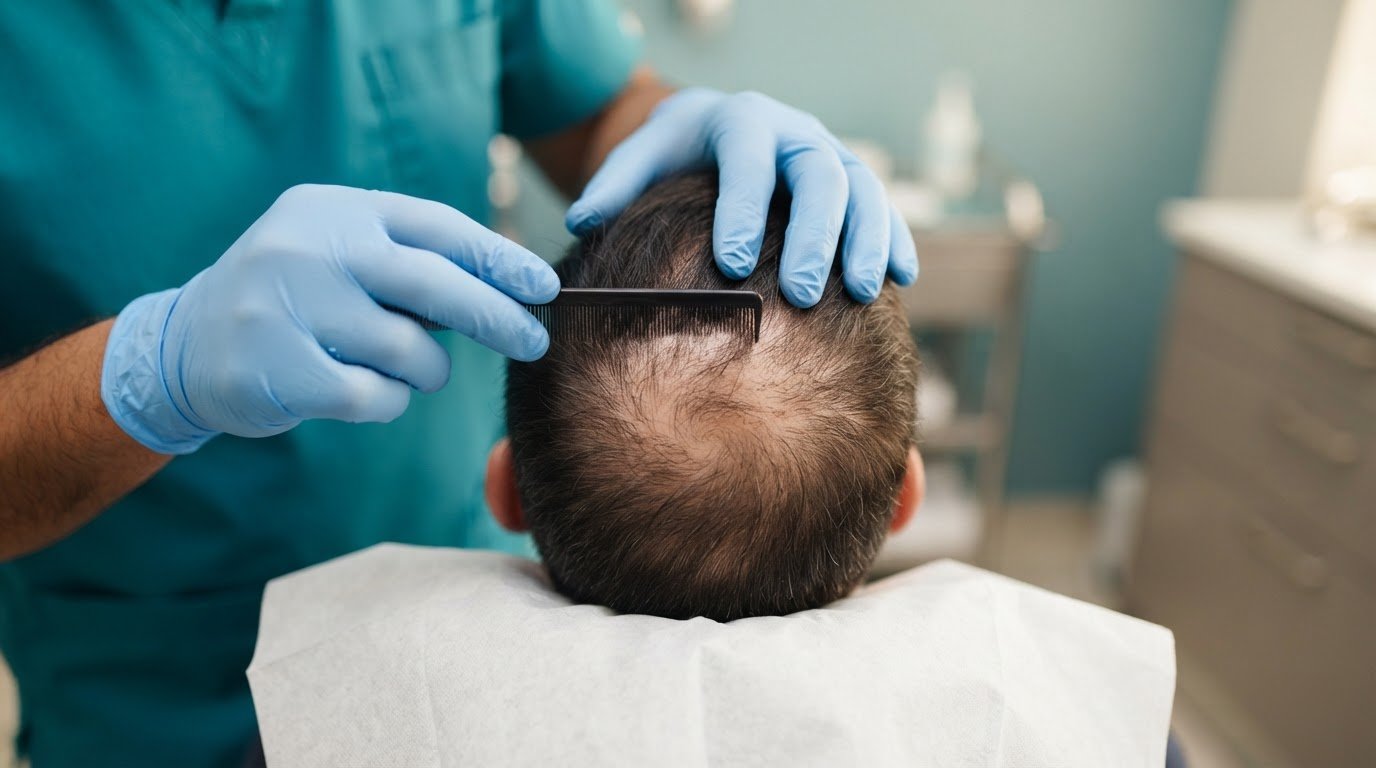
Evaluating a poor transplant result
A transplant needs time to mature, so its early appearance can differ from the eventual outcome. Use the surgery date as your reference point, then assess density, coverage and changes over time rather than relying on a single glance.
Timing of the Final Result
The final result is the matured appearance assessed after the transplanted hairs have had time to grow and thicken. Timing matters because judging at month 6 can mistake an incomplete growth cycle for a poor outcome.
Results generally become denser within 9-12 months after surgery, while a fuller assessment is usually made around one year. Crown growth can take longer, with definitive results sometimes appearing by 18 months. A doctor will consider the treated area and its progress across the timeline.
For a useful comparison, gather photographs from the same angles and lighting at different stages. Include a front view, temples and crown where treated. A single image taken at month 8, for example, cannot show whether coverage has improved since month 4.
Final Results at One Year
A one-year assessment reviews overall density and appearance after substantial growth and thickening. It gives you a clearer basis for discussing the result than an early snapshot, particularly if some areas have developed more slowly.
For a follicular unit excision (FUE) result, which involves removing individual follicular units from the donor area, the transplanted hair should be at least 4-5 cm long and donor-area hair 1-2 cm long during the last 2-3 months of the year after surgery. These lengths help make the coverage easier to assess. A very sparse area around month 12 deserves a fuller review.
Bring the original treatment plan, dated photographs and a concise record of when growth appeared. These details help the doctor compare planned coverage with the current result and distinguish uneven density from changes in surrounding hair.
If hairs remain as unchanged, non-growing spikes after 12 months, include that detail in the assessment. The doctor can examine the scalp, compare different zones and consider the procedure history. A clear question, such as whether the crown has continued thickening since month 9, helps focus the review.
One year is a useful assessment point, not a reason to ignore ongoing change. If growth is still developing, especially at the crown, the timeline may extend towards 18 months. Record the area and the change observed, then use that evidence to discuss whether the result is mature or needs further evaluation.
Hair transplant recovery and healing
Infection and chronic mild folliculitis (inflammation of the hair follicles) are recognised complications of hair transplantation, according to the National Center for Biotechnology Information. They can affect scalp healing, so persistent or worsening concerns warrant clinical assessment.
During the first 30 days, the scalp is healing and new growth is not yet appreciable. Redness and scabs can appear during the first few weeks; redness usually fades after two to four weeks. These early changes relate to recovery, not a reliable measure of whether implanted hair follicles will grow.
The first 14 days are a key period as grafts anchor to the scalp. Follow the post-operative care instructions closely, and avoid rubbing, scratching or disturbing the treated area. The way you wash and handle your scalp during this period matters more than checking for visible growth, which takes longer to develop.
Smoking and alcohol are commonly advised against during the first 2-4 weeks after hair transplant surgery. This recommendation focuses on recovery, when the scalp and implanted follicles are settling. Follow the specific instructions given for your procedure, rather than treating the absence of visible hair in those weeks as evidence of poor growth.
PRP (platelet-rich plasma) treatment is sometimes used as an adjunct to hair transplantation, meaning an additional treatment alongside the procedure. A systematic review retained three controlled studies, with 217 participants in total. That describes the evidence reviewed, but does not establish that PRP guarantees growth or reverses graft damage.
PRP is one option discussed in hair restoration, but its role depends on the treatment plan and the concern being addressed. It should not replace proper wound care or an assessment of complications. The healing stage, scalp findings and time since surgery all matter when considering an additional treatment.
Keep a dated record of healing changes, such as redness lasting beyond four weeks or scabs still present after two weeks. These time points can help frame a clinical review. If your scalp looks persistently inflamed or unusually uneven, describe the change and when it began rather than relying only on hair photographs.
Hair grows in cycles, so early healing and later density are separate stages. During the first month, visible growth is not a useful measure of the final result. Follow your aftercare plan, note changes by date, and have concerns about infection or folliculitis assessed promptly.
DHI South Africa: Hair Systems & Hairpieces
DHI South Africa offers Hair Systems & Hairpieces as a non-surgical option when transplanted growth is limited or still developing. They can address the appearance of sparse areas while you consider your next step, but they do not restore or repair follicles.
The right path depends on what concerns you most: immediate coverage, a transplant assessment or a medical treatment discussion. If your result is still developing, the timeline matters. If growth appears very sparse around 12 months, an assessment can help clarify whether to continue monitoring or discuss other options.
Hair Systems & Hairpieces may suit someone seeking coverage without another transplant procedure. They address appearance, not the biological growth of implanted follicles. Discuss how a hairpiece could fit your needs, particularly if the recipient area is still healing or you’re concerned about pressure or adhesives near the scalp.
Direct Hair Implantation (DHI) may be relevant if you want to discuss hair transplantation as part of a restoration plan. A previous result that concerns you should be assessed in context, including its timeline, the areas affected and your healing history. A discussion can establish whether another transplant approach is appropriate to consider.
GFC Treatment and Regenera Activa are also options to discuss as medical hair restoration treatments. They differ from Hair Systems & Hairpieces and Direct Hair Implantation. The relevant option depends on your concern and assessment; no treatment should be assumed to reverse graft damage or guarantee new growth.
Bring dated photographs showing the recipient area at different stages, along with your procedure date. These details give a clearer picture of changes over time. Be ready to describe where growth is sparse, whether it has changed and what outcome matters most to you.
If you’re weighing coverage against another treatment discussion, start with the concern you want to address. A conversation can help you understand how Hair Systems & Hairpieces, Direct Hair Implantation (DHI), GFC Treatment or Regenera Activa relate to your situation, without assuming one option suits everyone.
For a calm discussion of your options, contact DHI South Africa.
Frequently Asked Questions
Can the grafted follicles not survive?
Yes, some implanted follicles may not survive, and limited growth can follow. Possible contributors include injury during extraction or handling, dehydration and prolonged time outside the body. Shedding alone does not show that a follicle has been lost: the hair shaft can fall while the follicle remains beneath the scalp. A clinical assessment considers the growth pattern and procedure history rather than treating every shed hair as evidence of failure.
How long should you wait before seeking advice?
Seek a review if no new hair is visible at six months, and arrange an assessment if growth remains absent by month 8 or 9. These checkpoints help identify a result that needs closer evaluation without calling it a failure prematurely. The full outcome can take 10 to 18 months to judge. If you notice persistent scalp changes or have concerns about healing, raise them with a medical professional sooner.
Slow growth or failed transplant: how can you tell?
Slow growth involves gradual or uneven progress; failure is considered when the area remains very sparse after enough time for a growth cycle. A photograph at month 6 cannot establish failure by itself. Compare dated images and note whether new hairs appear in different zones. If an area is still sparse around month 12, a specialist can assess density, growth pattern and the scalp’s condition before discussing what the result means.
Which causes should the medical team look for?
An assessment can consider follicle injury during extraction, rough handling, dehydration or extended storage before implantation. It should also distinguish transplanted hair shedding from shock loss affecting existing hair. Scalp healing matters too: infection and chronic mild folliculitis (inflammation of the hair follicles) are recognised complications, according to the National Center for Biotechnology Information. Your procedure date, when shedding began and which areas changed give the clinician useful context for interpreting your current appearance.
Why do some transplanted hairs take longer to grow?
Follicles do not all become visibly active at the same time, so growth may look uneven across the recipient area. The crown, for example, can take up to 18 months to show a definitive result. Fine early hairs may also be harder to notice than thicker strands. Track changes with photographs taken from the same angle and lighting, then compare them across several months rather than judging a single day.
What are the causes of poor or no hair growth after a transplant?
Possible causes include follicle damage during extraction or handling, dehydration during preservation and complications affecting scalp healing. Temporary shedding can also make growth appear absent, while shock loss may affect existing hair near the transplanted area. Sometimes an assessment finds no identifiable explanation for poor growth. The timing, distribution and progression of changes help distinguish these possibilities, so record when shedding began and which areas remain sparse.
How can you tell if a hair transplant has failed?
A poor result is assessed by looking at the transplanted area after sufficient time has passed, not by early shedding alone. Persistent sparseness around 12 months deserves a fuller assessment, particularly if hairs have not changed or thickened. A specialist can compare the recipient area with dated photographs and consider the procedure history. Crown growth may mature later, so the assessment should account for the area treated and its timeline.
What should you do if transplanted hair is not growing?
Start by noting the procedure date, when shedding occurred and where growth is absent. Compare photographs taken under similar conditions, then arrange a review if no new hair is visible at six months or growth remains absent by month 8 or 9. Bring your timeline and any healing concerns to the assessment. A final judgement usually needs longer, as results can take 10 to 18 months to evaluate.
Comments